Sunday, April 14, 2013

Zinnia, weak uterus? toxemia and an herbal course of action

Today my husband worked on getting our kidding stall up and running; which entailed getting the surveillance camera up and running so that we can monitor whichever goat is in the stall from our bedroom (wake up, roll over, turn on portable dvd player and check out doe = way better than gearing up every couple hours and making the trek down the icy path and into the barn. For kidding season we start using a sliding pocket gate that goes unused the rest of the year. We also unscrew a board that blocks of the drafty back door to the goat barn so that the soon to be mother can have access to the outdoors on nice days and not be exposed to the rough and tumble hierarchy of the herd. As of yesterday there were three feet of snow and no paths in the back pen leading out from the kidding stall. Now thanks to D, there is a cleared patch of ground which will soon host a very pregnant doe and thereafter goat babies.

Zinnia is due on the twenty fifth of this month, which gives her eleven days to get ready to push out some kids. Unfortunately, this is a feat which she has not been able to accomplish on her own - yet. Zinnia's first year kidding she never got to the pushing stage but was in labor for a long time. I finally went in to see what was going on. She was dialated but the kids were far in. While I was in there I went ahead and pulled them out. She had two strong doelings. I didn't know if I had jumped the gun that year. Then, last year she had a similar long labor without much progress. This time when I went in the first kid had it's neck turned back on itself and he was upside down (which is the worst position ever!), and then the second buckling was in the same position as the first. Because they were upside down with no head I thought they were backwards and just pulled them out with all my might (oops. sorry Zin). But then it was good that I did, as they were not alive - or just barely but not enough that I could save them. Then I went back in and there was a doeling who was a little weak, but she made it - yeah, Clary Sage.

So, for her second kidding again the kids had been deep in and not coming out on their own - but it was hard to know if their lame position had something to do with it. So, the vet says that in older does sometimes they have a condition where their uterus is not strong enough to push the kids out. Maybe this is Zinnia's problem as well. Because of this I have not felt like I could sell her without a full disclaimer - which is why I am giving her one more chance.

I do not expect her to do all the work by herself, so I had/have a plan I'm trying to be good at following. Starting about eight weeks before her due date I started feeding her a large handful of wild red raspberry leaves with her morning grain- which is a uterine strengthening and toning herb. I also got some Partridgeberry tincture from an herbalist friend of mine, which I've started feeding 2-3 dropperfuls twice a day (supposed to be three times a day) which I plan on continuing up until she is in labor. The other herb which I just started feeding yesterday is Black Cohosh. I already had it around the house is dried form - otherwise I'd read that it is more effective in tincture form. But I made it into a tea and am also drenching her with that twice a day. These last two herbs are both supposed to help strengthen uterine contractions while in labor. I believe that they are not recommended for women until the last three weeks - and I chose to start Zinnia on these thirteen days before her due date - as she usually kids early anyway.

 For the last week she has been not real interested in her herbs nor her grain or alfalfa. As she is a fine boned, fairly heavy producing doe who tends to have multiple kids I was worried she may be in the early stages of pregnancy toxemia so I gave her about 50cc's of our warm raw honey, followed by 20-30cc's a few times a day for the next day. Fortunately I had purchased Fir Meadow's herbal keto mix last kiddding season to have on hand for emergencies. It is a blend of herbs which are to be used after the doe has a significant amount of sugar in her body, and the purpose is to help cleanse the body and get rid of the toxins she is processing which are making her feel nauseous and go off her feed. Today she ate most of her grain and was eating her alfalfa tonight - which she didn't touch two nights ago. Hopefully we are back on track.

Now I'm drenching Zinnia twice daily with a mixture of raw honey, red raspberry leaf and black cohosh tea, combined equally with the keto mix and then with a big splash of the partridgeberry tincture. Hopefully all that will help and my lack of measuring and combining will not cause more harm than good.

The end goal is that Zinnia will push her kids out on her own in a timely fashion. The challenge will be knowing when to intervene and when to sit back and let her do her thing.

Friday, April 5, 2013

March crafts and outdoor fun

 Painting Rosie's blown out goose eggs.

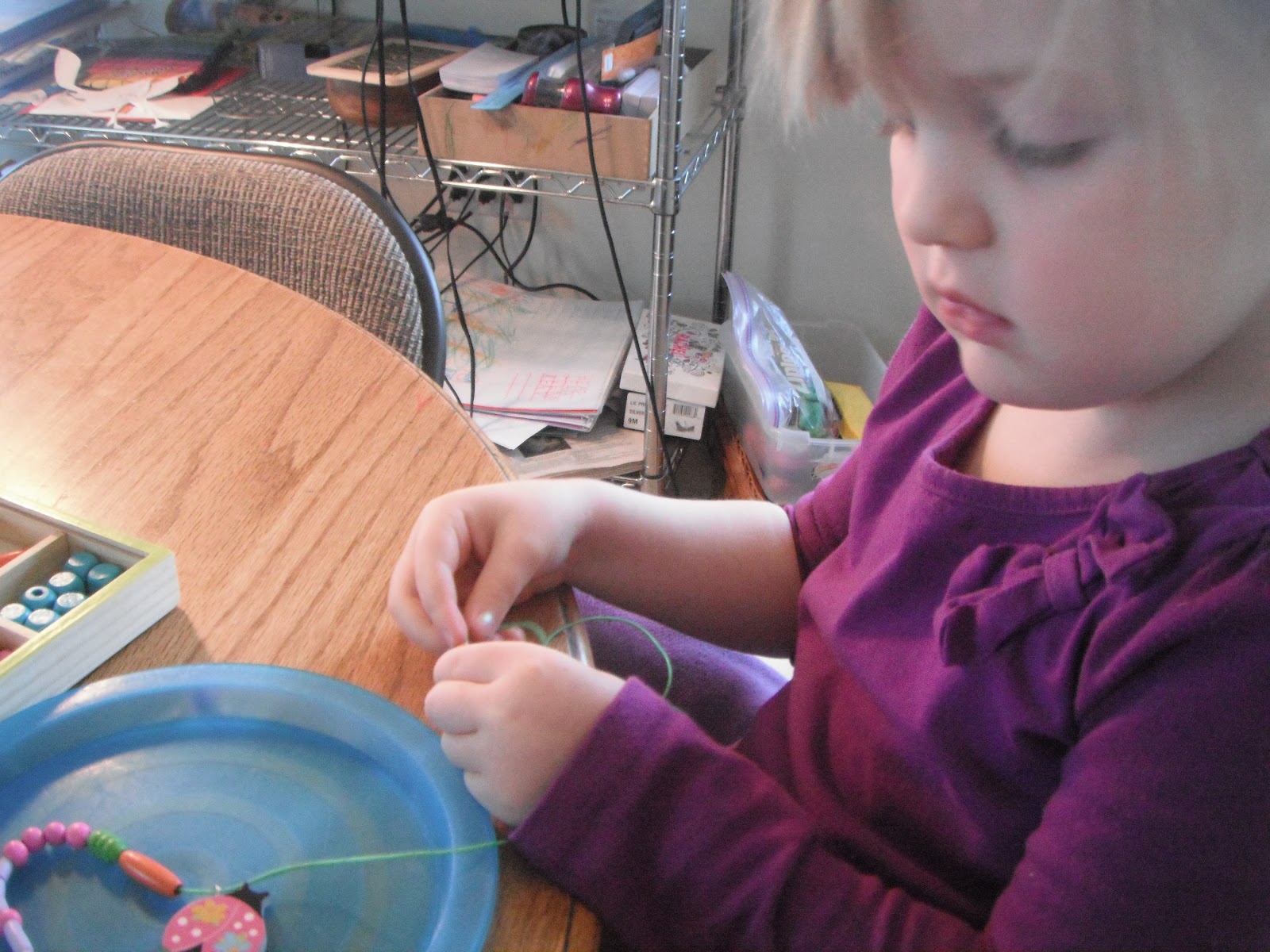
 Stringing beads onto a necklace for Grandma.

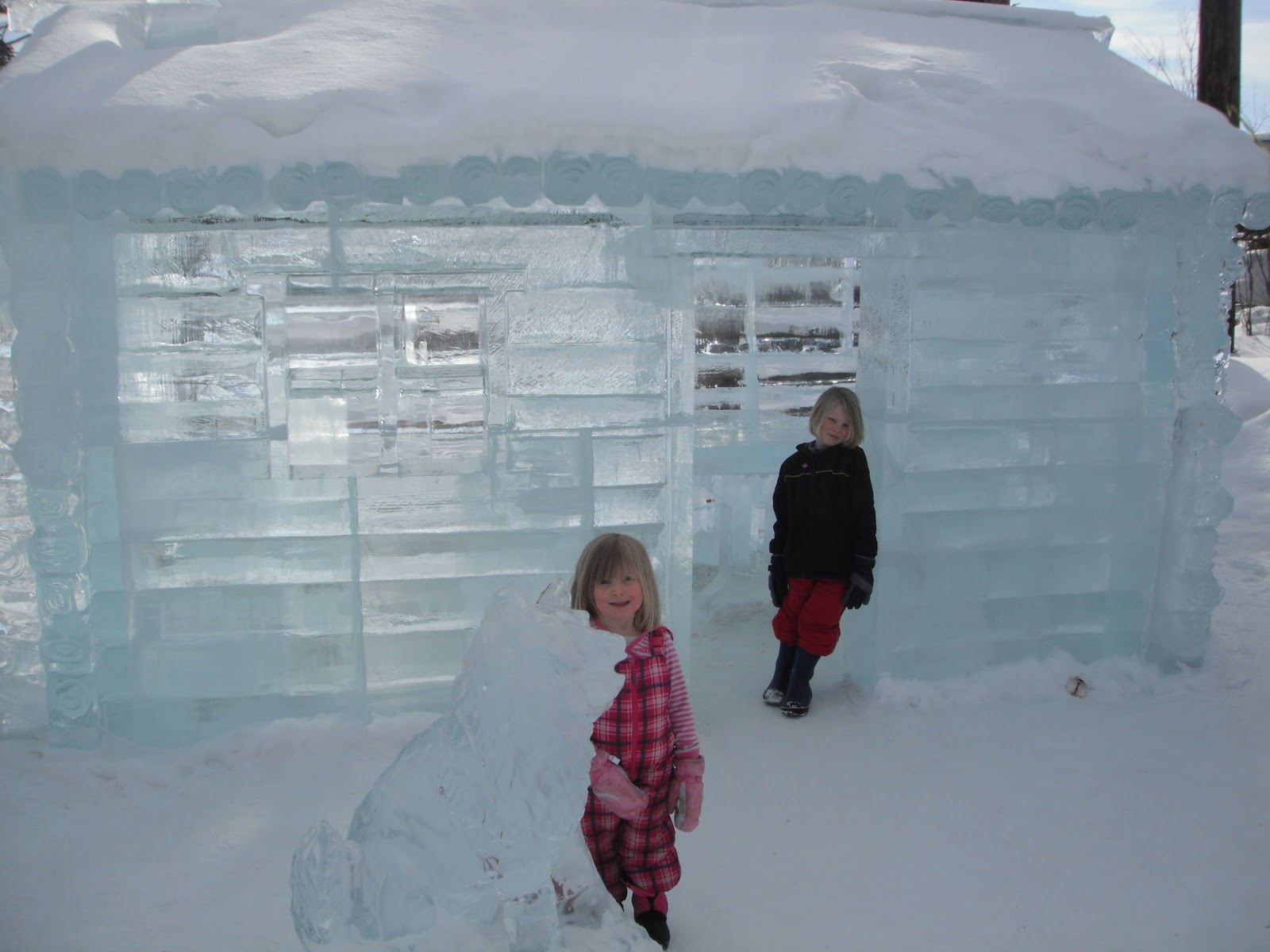
 Ice fun at the ice park.


 Every year at this time the kids discover the freedom to venture from the paths and walk on the packed surface of the snow. Noah's goat, Cami, is taking advantage of the extra height to nibble on the spruce boughs.


 One of my favorite does, Zuri. She is my one doe that I'm milking once a day now. She is giving us a half gallon of milk while keeping herself in good condition. So, all the milk, chevre and yogurt in the fridge is Zuri's. "Don't waste Zuri's yogurt kids, do you know how hard her body worked to make that?!"  


My first attempt at a wet felted hand bag. It was a flop at first as I messed up on felting the seams. So I ended up sewing the sides, and was glad I didn't give up on it. I enjoyed the process and am looking forward to playing around some more with wool before spring is in full swing with goat kids and chicks etc. 
 

Tuesday, April 2, 2013

My two cents on caring and feeding your pregnant dairy goat


 Pregnant Zinnia going for a walk - this picture was from last year; however, we are once again going on walks, and once again, Zinnia is this pregnant. She is due in a few weeks. Think D flower names, Dahlia, Daisy, Daffodil, not Delphinium:)

This post is intended for new and learning goat owners, wannabe goat owners or folks with other dairy animals. The rest of you will probably want to skip this one. 
Seven years ago we brought up four doelings and two bucks to start our Lamancha dairy goat herd. As of this week, we are down to five does and one buck, and it feels as though we've come full circle. I have learned sooo much, and yet as always, am ever learning. This spring will be our sixth kidding season. In this post I'd like to share some of the things I've learned to pay attention to and provide for our bred does. Exercise, clean environment (clean enough that your does aren't laying in poo or wet bedding or mud etc.), quality hay and fresh water should be givens. Then there are more complicated issues that we should be aware of, but as few of us are scientists, we know a little but never enough, such how to know if we are feeding the correct levels of vitamins and trace minerals or protein, all of which can cause problems especially during pregnancy if goats are fed too much or too little. I'll just be touching on the surface of some of these issues, but if you have bred does you should be aware of them and have a contingency plan.
  1. Caring for and feeding your pregnant Dairy goat
  • Health at time of breeding and a note on hoof trimming
  • Is your goat pregnant?
  • Living quarters and herd dynamics
  • Milking and drying off
  • Feeding hay, grain rations and alfalfa
  • Feeding other supplements such as BOSS, Alfalfa pellets, kelp, molasses, flax and herbs etc.

Obviously your goat should be in good health when she is bred. How can you tell if she is healthy? Shiny coat, clear alert eyes, active and moves with ease (no limping, hobbling etc), no lesions or skin sores or wierd growths. If your doe is in milk, her milk should taste mild and creamy and not overly sweet or goaty - nor thin (otherwise her nutritional needs are not being met - or possibly she just has really poor milk making genetics?) Most people breed to kid in the spring and then re-breed the following fall/ winter or "milk through" till the following year, with two years between kiddings. The first few months after a doe has kidded tend to take quite a toll on the doe's weight and health, so I would recommend waiting at least six months if not more before breeding again.

If you are breeding a "first freshener" how old is she? This is a highly controversial subject between goat breeders. I've read that you can breed once your doeling is eight months of age or eighty pounds. I relied on this advice my first year and my two bigger boned does came out of kidding just fine but the other two had leg problems during the final weeks of the pregnancy and then it took a while for their legs to straighten out after they kidded. Since that year I've waited until their second fall to breed them, but this can have it's downsides as well; most notably that your doe can get too fat, and then fail to ovulate or come into obvious heat in the fall - I've had this happen once. So, know your goat, do your research, look at their body type. If they were born in February, they are probably going to be ready for breeding come next November/December. If they were born in June, probably not.

Regardless of her age your doe should be in good health when you breed her. You'll want to keep her hooves trimmed throughout her pregnancy. I usually trim my does hooves in October before it gets too cold, then again whenever we have a warm spell in December, and then usually we have another warm spell sometime in February or March. Even if her hooves look ok. I give them a quick trim about six weeks before she is due, and then plan on not messing with them again until after she kids, as she will get awkward and heavy towards the end, and she'll have a hard enough time getting around as it is.

How can you tell if your goat is pregnant? Don't think you can tell by looking, during the first couple months at least. At thirty days you can however, draw blood and mail it in to BioTracking and have it tested for about six dollars a pop. I have a vet that will come up and ultra sound the herd with her portable ultrasound machine, but I wouldn't necessarily recommend this. For one it is expensive, the price of a vet visit and more, and two, there is some controversy about ultra sounds in general and how invasive they are - certainly not a holistic approach.

At about three months I can start picking out who is most likely pregnant, some more obvious than others. You are supposed to be able to feel kids during the last couple months. The rumen is on the left side of the doe and the kids on the right.  I suck at feeling for kids. I've been sure I've felt kids and then the doe turns out to not be pregnant.

If you breed earlier in the season you'll have a better chance of catching your doe if she comes back into heat. It's always a good idea to keep track of her heat cycles on the calendar and of course when she is bred. Then you can keep a closer eye on her a few weeks later to see if she comes back into heat or not. It's always nice to be fairly certain that your does are bred so you know who to feed extra supplements and grain to and then you can save money on the slackers who didn't take, as well :)

A few considerations to think of, hopefully before you have a very pregnant doe getting beat on by her herd mates and no place to isolate her; early planning is key, like back when you are breeding. If you breed four does, but only have one extra kidding stall, you can't breed them all at once, unless you plan on building another barn or at least buying portable panels to further divide up your barn. You need to plan on giving each doe her own stall ideally for the two weeks prior to her due date to two to four weeks after depending on the doe. Then you'll still need pens for the kids where they can be safe away from the herd until they are stronger. Ideally your doe will have her own stall with a hay rack and hanging water bucket as well as a closing door to the outdoors with her own pen. It might take her a couple days to get use to being on her own, but once she realizes she doesn't get pushed around any more but can still see and hear everyone, she'll probably be thankful.

If your doe has a companion, sister, daughter, mother, who she is inseparable with, you might keep them together for a while, but I'd give the doe her own stall for the week before her due date. Most likely she will stop tolerating the other does company as her time gets near. Under no circumstances would you want another goat in with her doe while she is kidding, nor in the week or two after kidding.

When to dry off your pregnant milker: I think that most goat breeders would agree that a pregnant doe should be dried off during her third month, leaving her last two months to grow babies and not produce milk. If you have other milkers, you may want to dry her off earlier. If she has other health issues, is dropping in production or in milk quality, then dry her off earlier.

Feeding hay, grain and alfalfa: Hay makes up the quantity of your goat's diet, and should be of good quality. The better the hay, the less you will have to supplement your goat's diet with other additives. Aside from making sure your hay is mold and dust free, leafy and not stemmy, and that your goat likes it, I'd recommend testing it so that you know how good it is or isn't. However, I have to say that I have not ever had our hay tested, but I have intended to for some time, and will, one of these days. I do know that in general, that our hay grown in the interior tends to be high in Nitrogen, phosphorous and potassium because hay farmers use fertilizers with these three major nutrients, and rarely use fertilizers with minor nutrients or trace minerals. I assume that our hay is low in selenium, copper, magnesium and calcium among other things. And as a result we supplement.

Alfalfa hay is like candy to goats. They know what is good for them. Alfalfa is a legume, and as such, is much higher in protein than our brome hay. It is also mineral rich, and provides significant levels of calcium. If I were to recommend feeding one thing in addition to whatever hay you have, it would be alfalfa. I notice a big difference when our does are getting alfalfa and when they are not. Feeding alfalfa to your pregnant goats prevents hypocalcemia which is one of the big well known complications that can happen after a doe kids, when her nutritional needs are not met. Alfalfa hay is outrageously expensive here in the Interior, $56 for 90-100lb bales last I checked. We have brought up truck loads from Anchorage and saved significantly, but we also feed alfalfa pellets (12$ 50lb bag at Walmart, $20 some at the feed store) I feed about two cups of alfalfa pellets once a day to my bred does and milkers. I especially try to feed alfalfa hay to my does during their last couple months of pregnancy and into their first month or two after kidding. Ideally I'd feed a few pounds of alfalfa hay a day to each doe, although some might say that is too much?

As far as grain goes, if you have a junior doe, you will want to be gradually increasing her feed, so that by the time she kids, she is getting as much grain as she will need to produce milk, enough grain that you can milk her out before she finishes :) The books say to feed one pound of grain to maintain good body condition, and an additional pound of grain for every four pounds of milk your doe is producing (hope I've got that right - it's been a while). So, if I'm milking once a day and getting four pounds of milk, and the kids are taking the rest, I'm guessing at least four pounds of milk, I'm going to be feeding about three pounds of grain. However, the grain or goat feed you are feeding complicate matters, and if you are soaking it and it expands... and whatever else you are feeding and how your doe is looking... There are a lot of factors.  I feed my doelings and bred does just a couple handfuls of grain up until they are half way through their gestation. Then during the third month I start gradually increasing depending on how the doe looks. For the last two months of gestation I feed about four to eight cups of sprouted barley, oats and wheat (3,2,1 in ratio), which started out as just three to six cups - which is less than a pound. So, I'm feeding less than the recommended amount, but I play it by ear and I watch my does closely.

Which brings me to other supplements: As mentioned way above, if you know you have quality hay, you won't have to feed as many supplements. Because I have not had my hay tested and because I mix my own grains and I'm not feeding a "goat feed" nor am I relying on inject-able vitamins, there is always the question in the back of my mind as to whether my goats nutritional needs are being met, and I probably over compensate by feeding supplements, which may or may not be necessary, but as I have not had pregnancy toxemia or hypocalcaemia or weak kid issues, hopefully that means I'm doing some things right. Some of these supplements I have fed from the beginning whereas some I've gone back and forth with and these include: a general vitamin mineral supplement, kelp, molasses, BOSS (black oil sunflower seeds), olive oil and dried herbs;  I feed very small amounts of supplements to the bucks and kids, and larger amounts to the does. I have at times fed beet pulp and nutritional yeast which I do not feed now, they both have their upsides and downsides. A lot of my decisions are based on what we can afford, so if money was not a consideration, I would feed Diamond V nutritional yeast.

We feed Sweetlix loose vitamin and mineral dairy goat supplement. We free feed it to all the goats in pvc pipe feeders. Sweetlix is the brand our feed store carries. I'm sure there are other brands out there and probably some that are better. Wherever you are hopefully you can find a loose mineral supplement for dairy goats. It is important that it not be for sheep, as that will not have copper. Also, be sure that it is not mostly salt, but rather vitamins and trace minerals.

Kelp is a super nutrient dense plant. It is high in calcium, iron, iodine and other trace minerals. My holistic doctor discovered that I was crazy low in Iodine, and she had me start taking kelp and my minor health issues were quickly resolved. After which we looked up some information on iodine and milk production and mammary systems, and I came away thinking that as long as I can go to the feed store and buy kelp for my dairy goats, I will. All kelp is not created equal. Our feed store use to just carry kelp for garden supplementation, and I bought that and fed it to my chickens...and still do sometimes. But mostly I buy the animal grade kelp. There is better kelp out there, and maybe someday I'll do the research and decide it is worth the extra money. I feed a couple teaspoons to a tablespoon of kelp on top of my bred does and milker's grain once a day.

Black oil sunflower seeds are high in healthy oils, vitamin E and B6, as well as selenium. I feed between a half cup and one cup per doe. I've gone back and forth feeding olive oil. It is undoubtedly good for the girls, but also expensive. If I have a doe who is having a hard time putting on weight or looking decent, I'll start giving her a tablespoon of olive oil on her feed. If you give them too much they'll get the runs.

Back to soil deficiencies, as a solution to dealing with copper and selenium deficiencies in the soil and hay it has become common for goat breeders in Alaska and elsewhere to give their does copper boluses, which is a slug of copper that goes down the does throat and into her stomach where there it rests and releases copper over time. The other trend is to inject goats with selenium every six months to make sure that your does have the proper levels of selenium. I'm not a huge fan of vitamin pastes, injectable vitamins, nor boluses, (but this doesn't mean that I won't go that route if my current methods don't work). I find these treatments more invasive than I'd like to be. Also, I have my suspicions about nutrients, vitamins and trace minerals that have been formulated in a lab, or overly processed (I know- I feed sweetlix) I read something in my research, I believe it was by Katherine Drovdahl, where she had written about copper, and that copper that comes from pipes or from a lab does not provide that vitamins and trace minerals that come directly from a living plant source, nor will it be as easy to absorb or use by the animal. I have been search for the quote and can't find it now. Also, I've read that selenium can be highly toxic in large amounts, so if I can feed it daily as opposed to injecting it twice yearly, I will. However, it makes sense to me, that the best sources of selenium and copper would come straight from living plants that are high in these minerals. So, I've been taking note of plants and other natural copper and selenium sources and feeding them.  First, high selenium herbs include: alfalfa, kelp, slippery elm, raspberry leaf, pao d'arco bark, milk thistle, catnip, BOSS, couch grass and black strap molasses. Foods and herbs that contain significant levels of copper include: black strap molasses, hops, sesame, sunflower and other squash seeds, dried basil, oregano, marjoram, parsley and thyme. Fir Meadow sells a copper selenium supplement called kop-sel that I've been feeding for the past year. You can purchase it on the Fir Meadow online site.

Black strap molasses is one of the supplements I fed for a while, purchasing five gallon buckets through Azure Standard, and then got tired of the goopy mess and stopped for a while. After reading recently about how great it is, I'm getting back on the band wagon. It is high in B vitamins and trace minerals. I was feeding a quarter cup and stirring it into grain for four does when I was last feeding it in the fall. Buying it in bulk is the way to go- and yes it does have to be Black Strap!

I am feeding a variety of herbs I harvested this summer, red raspberry leaves, nettles and comfrey. One of my goals in keeping less does, is to be able to make more of an impact in their winter diet, with herbs and plants that we grow or forage for, in addition to someday growing our own grain, hay and root crops for animal feed.

There are a few pregnancy related illnesses that are nutrient related. I do not have personal experience with any of these. I do however, have a contingency plan. And the reason I feed the supplements I do, is hopefully to prevent the following issues:

Pregnancy Toxemia/Ketosis called toxemia when the doe is pregnant and toxemia after she has kidded, is caused by an energy imbalance and usually occurs during the third trimester. It happens when a doe can't take in enough nutrition to meet the demands of her body and the growing kids. Her body starts to dissolve body fat for energy, but as it does this toxins and ketones are released into the bloodstream and cause the doe to feel nauseous and go off her feed. The remedy for a doe already exhibiting signs of toxemia or ketosis is to feed large amounts of sugar (60ccs of sugar, molasses, agave nectar, honey etc. warmed until runny, and then followed up with 30ccs three to four times a day until they are eating again) to stop the body from processing the toxins and ketones.

Hypocalcaemia, also called Milk fever: happens when a milkers calcium needs are not met. It happens more frequently with does who are heavy milkers and does who go off their feed for other reasons like ketosis. It can be prevented by feeding alfalfa to your does while they are pregnant and then continue while they are in milk. I have heard that does go downhill really fast if they have milk fever and quick intervention is necessary. A vet would probably put the doe on an IV and administer high doses of calcium. Katherine Drovdahl has a section in her book where she has an herbal plan to treat this as well.

White muscle disease is another complication that kids can have if their dams nutritional needs were not met during pregnancy. It usually shows up in kids when they are born or in the few weeks after kidding. Their muscles are not able to properly form in utero, and as a result they have weak hearts and other muscles. A deficiency in vitamin E and or Selenium are the culprits to blame. So, weak kids could mean you need more vitamin E or selenium.

Pre-natal goat care topics I can't write about because I know nothing about include vaccinations. I'm sure there is plenty of information on the topic out there for you to google.

If you don't already have Katherine Drovdahl's livestock (goat) herbal, you should own it! I have several other herbals for myself and the critters, and this is by far the most goat orientated and the most helpful.

Otherwise, feed good hay, feed alfalfa in some form in addition to herbs or supplements with trace minerals, or go the conventional route and give selenium shots and copper boluses, at least that will take the guess work out of it. Spend time with your goats, plan ahead and have contingency plans. All feed changes should be made slowly. Pregnant does and does who have recently kidded should be monitored closely, especially their eating habits. Putting your doe on the stand or feeding her grain and hay in her own space will help one to know if they are eating well or if they are going off their grain or alfalfa.

Most of all have fun, enjoy your goats and learn from your mistakes. I would love to hear what the rest of you are feeding your goats and what supplements you give them when they are pregnant.





Sunday, March 31, 2013

Goat walks


At the end of a long but enjoyable Easter day of hosting, cooking, feasting and visiting, I don't have much energy for writing, but I have been thinking about you guys and wishing I had more time and energy for sharing. So, here a few pictures of the kids and I taking the goats for a walk down our driveway. For a while we were getting out almost daily for walks with the herd, then it got cold - below zero and I went back to doing chores by myself while the kids played legos or playmobile inside. As it warms up we should be getting back out together as we all need our exercise.

We sold another doe last week; Avalon, a three year old bred does went to a new home. I've been missing her this week. I was intending to sell her this spring or summer just because of my herd reduction desires, but she is just about the perfect goat. Not only did she have good conformation, udder and awesome teats, but she was a sweet doe, good with the kids, an easy kidder and a well behaved milker. We do have her dam, which is Xanadu, who is the brown doe in the picture with Noah. We also have her daughter who is a yearling. We are down to five does right now. I am milking one doe, once a day and getting a half gallon of wonderful milk. It is just a breeze to milk one goat once a day, and the rest of farm chores are so fast. I can get outside and back in before the kids notice I'm gone. We have two does who I believe are bred, Zinnia, due in April and Xanadu, due in May. Then two doelings to breed in the fall. I love these numbers. While farm chores will get lengthier as chicks hatch and goats kid, the summer is looking more simple and manageable than the last few years, so, whew!

Enjoyed our brined and smoked Easter ham today. We also had a butter lettuce salad with candied hazelnuts, pears, blue cheese and a meyer lemon white balsamic and pear vinaigrette that was fabulous. Followed by the ham main course with a golden beet salad, pumpkin butter rolls, roasted asparagus and a tasty ham dripping sauce, accompanied by lots of good wine and followed up with my Dad's notorious cheese cake. Yum. Wishing you all sunny days growing warmer, wherever you are.


Wednesday, March 20, 2013

March Balance

Despite the zero degree days and a few feet of snow on the ground, it feels like spring around here. The sun has returned full force and the dark days are behind us. We rise with the sun, spend our day enjoying the sunlight whether we are indoors or out. I have been planning my day with sunlight in mind. In the mornings when the sun is just starting to come into the house I can go into the darker rooms and hallways to tidy and clean or head outside for chores, but once afternoon comes around and the living room is filled with glorious sun shine, that is where I have to be, whether I'm sweeping, tidying, doing lessons, playing cards with the kids or reading.

Ask anyone in the Interior and probably even in the State and there is a communal sense of triumph and celebration in March. We have made it through the darkest and coldest months. And for the next several months it only gets brighter and warmer. Here in Fairbanks we rarely experience a balance of daylight. Our winter months are crazy long and dark, and at winter solstice we only see four or five hours of sunlight (I think - but it seems like less.) By midsummer we have the extreme of daylight way past midnight with only a few hours of dusk. Whenever I travel anywhere warm, it feels so odd to me when it gets dark at night, because our summers never get truly dark until mid August, and by then our nights are crisp and cool. So I associate warmth with summer months and constant daylight, and darkness with cold winter months. Equinox is it's own sort of strange. We are not accustomed to balance, only one extreme or the other.

This week the kids and I blew out goose eggs to decorate. Noah cut down a four foot willow tree outside. It is planted now, and is soon to become our decorated Spring tree. I'll take pictures once we get all our eggs hung and decorated. Yesterday we set five goose eggs in the incubator. I couldn't resist. I love having geese around in the summer. They are so curious and entertaining. Unlike ducks and chickens, the geese are interested in what we are doing and want to be where we are. They make for delightful companions with the exception of some mature ganders.

The first seedling rack is up and running. I wish, like some of you that I could start all my seeds outside in the greenhouse, alas, that is not my reality. We make do with what we have, and if I had to trudge uphill through three feet of snow carrying water jugs to get to my seedlings, well, they wouldn't receive very good care anyhow, so I put them where I can see them all day and not forget to water them. So far onions, shallots, leeks, thyme and basil are up. The kids and I were looking at flowers and watermelon in the seed catalogs today and I told them we'd plant some tomorrow - which is crazy early, but we'll just plant a few and maybe we'll have some spring flowers as well as a watermelon by the end of the summer.

This month is spring cleaning month for me. Next month is both Noah's and my mom's birthday as well as goat kidding season and serious seed starting time. Now is the time to sort out the pantry and scrub the cupboards and walls - my least favorite chores. I pulled out a ham the other day to brine and smoke for Easter. I started a special cheese, I believe it is called Annette's cheese - I'll have to check and make sure I've got that right. It is basically a simple moldy wheel of chevre. I am excited to be using a different mold than usual and have high hopes for the grassy flavor it is said to impart on it's subject. Right now it is the sole item in our back up fridge as it is supposed to be aged at fifty degrees- much to my husband's dismay, as his beer is forced to fit here and there in our main fridge which is always packed.

Thinking of the balance of light and dark reminds me to seek balance in my days. I have been trying not to overdo the cleaning projects- as much as I want to delve in, and instead I'm trying to tackle just enough that when the kids are ready for me, I can sit down with them. Noah has learned how to play rummy, and we play several games a day, in the late afternoon and after dinner- moving our game so that I can be sitting wherever the sun is shining - of course :)  I am reading Charlotte's Web to the kids, and we are all loving it. The past two days I've been painting a village house scene that will be a story prop for our lessons. I spent about five hours painting houses today, and was in heaven. The kids and I coordinated perfectly, they playing wonderfully together all day while I painted in the sun. I wish every day was so smooth. I'm trying to enjoy the good days and not be overly disappointed and grumpy on their difficult days. Which brings me back to balance. Balance of light and dark, cold and warmth, happy days and frustrating days. I am just learning to not overdo so much that I run out of energy, time, love. To hold some in reserve and not spend it all at once. To be able to summon up some tender words and feelings even when I don't easily feel it.

Happy Equinox. Wishing you all days filled with balance and peaceful moments.


Saturday, March 9, 2013

Rose; and then there were six


As of today we are down to six goats, which is the number we started with six years ago this spring. Today we had friends come up and kill and butcher one of our first milkers, Rose. It was one of the hardest decisions I've made. I took the kids to town. We went to the toy store and the library and when we came home she was gone without much of a trace. Rose was one of our first four doelings we brought up from Washington. She and Xanadu were both around eight weeks when they showed up in a crate together. I warmed up milk, poured it into bottles and put the bottles into six pack holders and carried them up the hill with one year old Noah on my back, three times a day for a couple months that summer. I bonded with our first six kids more than any that have come since. I thought I would keep our first four always and take care of them into their old age even when they were done producing kids or milk for us. But that is not how it went at all. We lost one of our first four to an impacted abomasal. Thankfully I still have her daughter Zuri, who has always been one of my favorites. Then last year I sold Xoe. I was just getting into downsizing the herd and found a good home for her. We lost the first buck a while back and the second one this winter. For the last year I've had Rose and Xanadu, their daughters and grand daughters. Out of the original six, there is only Xanadu left.

Last winter Rose was supposed to be pregnant but she ended up with some sort of uterine infection. We gave her antibiotics and it seemed like she was back on track. We decided not to breed her and give her the year off. She went back into heat in March, and she was always super vocal when she was in heat. So I talked to the vet and we thought that her body must be recovered and it would be ok to breed her again. She ended up having what we think was a false pregnancy also known as a cloud pregnancy. Where the doe thinks she is pregnant but her uterus just fills with fluid instead of kids. The vet came up this fall and ultra sounded Rose's uterus when she didn't kid. She said that something was wrong with her uterus and that I should search Metritis when looking for solutions. There really didn't seem to be any solutions. A text book I ran across said that some attempts have been made to put a tube up into the uterus to flush it out, or maybe apply medicine or antibiotics topically? I can't remember exactly because it seemed rather far fetched and a little too late for that.

After some herbal research I decided to give Rose one last chance and for about five to six weeks this fall I gave Rose and herbal drench twice a day as well as a coconut herbal suppository daily, the idea being that the suppository of herbs would nourish and heal her uterus. She came into heat a few months back and I re-bred her, hoping against the odds that she'd recovered. This past month she has been oozing goo, which is what happened last winter when we realized that she wasn't pregnant. She has also had a staff infection this week on her udder and belly which I've been washing with herbal rinses and smearing with salve. I suspect that dealing with uterine issues has lowered her overall immune strength.

I had lost all hope that Rose would ever be able to be bred or milked again. She is going on six years old, which is just approaching middle age. People often breed their milkers until they are ten or eleven, and then the does continue to live a couple years before dying of natural causes, which is what I'd hoped for all our milkers. If I had a large barn and an endless supply of cash, my decision may have been different, but I don't. I am not opposed to feeding and keeping one or two wonderful does into old age and past their reproductive years. But the idea of keeping Rose as a pet for the next several years really wasn't an option I was willing to consider. Ok, I did consider. Rose has always been very well behaved for me, but she isn't overly friendly with strangers and I have to watch her around my kids as she'll butt them if she gets a chance. So, finding a home for her as a pet was pretty unlikely.

I've always loved Rose's udder and teats. She has been our best overall producer with the longest lactations. She also had the beset conformation. Her topline was as level as could be, her rump one of the widest and most level I've ever seen. She never had trouble kidding. I always hoped she'd have a white or light red doeling like herself, but all her white kids were bucklings, except one doeling that was born weak that we lost.

Rose kidded four years in a row. She kidded to six bucklings and three doelings. We have her daughter Zinnia; going on four, Zinnia's youngest daughter, Clary. I have a friend who has Bramble, Rose's second and only other daughter as well as Bella, Zinnia's first daughter. Then we have friends in Tok who own Bella's twin Blue, who just kidded yesterday to a buckling and doeling. So Rose lived to be a great grandma. We also have some friends with the only intact buck out of Rose. I don't think either of her daughters inherited as wide and level a rump as Rose had. They are both beautiful does however, as are all three granddaughters.

This morning the kids and I put her on the stand and fed her treats and grain. She had no clue as we thanked her for her life, milk and kids, but we said it just the same. It has been a sad decision to make, but one that I've known may be coming for over a year now. So it wasn't sudden. It is time to make room for kidding season, new lives. I have to say I am relieved to have more dried herbs, kelp and alfalfa for the pregnant does. The grain and hay will stretch even farther now. I'd like to think that Rose enjoyed her six years with us. She had a good place in the herd. We tried to give her a healthy and happy existence as a dairy goat.

Rose five years old, summer walk, 2012


Rose with her first doeling, Zinnia, 2009
 
Rose cleaning her son, second kidding, 2009
 

Thursday, February 28, 2013

Winter Getaway Pictures


 Harvesting Macadamia Nuts


Our close friend Rene, explaining the finer details of choosing papayas to pick.


 We played lots of croquet.


 I took this our last morning after doing Yoga Sun Sallutations waiting for it to rise.


We just returned from twenty days in Kaua'i. We timed our vacation perfectly as we were able to enjoy the holidays and have some down time afterwards, and we didn't come back while it was still dark and dreary. Now we are home and the increase in daylight hours and sun intensity since we left is incredible. Today the sun filled our house with bright sunlight all afternoon and we basked in it.

I am recharged and ready to take on the world. Tomorrow we are setting up the first seed starting rack. I'll be starting celery, onions, shallots and leek seed along with some herbs; thyme and oregano. One of my seed starting goals this year is to start some of the less productive crops earlier. I generally pride myself on vegetable seeds at the right time, early enough to get a jump start but not so early that they get leggy or root bound. Now that I have a little more room, I'm planning on transplanting or starting the heat lovers in bigger pots to give them more room, with the intention of having cucumbers, tomatoes and peppers before August - some years we've been eating this crops mid- summer, but not this past summer.

I had a pretty laid back attitude (for me) in regards to the garden this last year (due to hubby away most of the summer and the kids and I trying to maintain balance and harmony around the homestead).... and it showed. My lack of efforts were particularly obvious in regards to soil preparation. Some beds looked good, but a lot of crops could have and should have been bigger and more glorious. It all comes down to hauling compost/er, aged animal bedding, and how little of it I'm up for wheel barrowing up a driveway with kids moaning along behind. See, when we first started clearing land for our garden we did not know we'd be keeping animals, so our hill is poorly planned out; with the garden a work out above the chicken coop and goat pens. How much compost and animal bedding should I be putting on the garden at spring planting? I put on about a dozen wheel barrow full loads, and I'm guessing that needs to be tripled.

I've been wanting to rent a small piece of farm machinery to clear the goat pens, build compost piles and haul bedding up the hill, and I'm hoping that this might be the spring that it gets done. Wouldn't that make my life easier? It comes down to having more money in the spring and for D to get a day or two off with his busy work schedule.

In other exciting news, Dustin brought home our Feed Store's poultry shipment schedule for the spring. Although, I don't know why I'm so excited about it as I'm planning on hatching our own crosses and maybe ordering some Welsummers from a small hatchery. I do know; it is a sign of spring. I've decided to fore go pigs this year as much as I want to take the plunge. I'm trying to practice restraint, which goes for geese and ducks as well, (and sheep and Angoras :)

I will be ordering bees, as well as a handful of turkeys and Cornish cross. And of course we've got bred goats. I've bred six of our seven does, and I'm hoping four or five are expecting kids between April and May. I'm going to try to sell all the doelings as well as a few milkers, with my goal still being to go into winter with four milkers. We no longer have any bucks. We had friends butcher the last adult for meat this month, and we've loaned (maybe permanently) a buckling to some friends. So my morning chores are a piece of cake right now, and can be accomplished in about a half hour; milk two does, feed does grain, hay and water, and haul water and feed to the chickens.

The break from the farm has me inspired to do my best this spring for my animals. I've been holding onto several gallon jars of dried herbs from this summer, and my pregnant does will be getting handfuls of dried nettles and red raspberry leaves on their grain until they kid. I'm also feeding a couple tablespoons of kelp to the bred does along with extra sunflower seeds(1 cup) and alfalfa pellets (2 cups).

The chicken's eggs haven't been as orange as usual, so I'm planning on cleaning out the freezers looking for extra goodies for them, in addition to getting into a sprouting regime for them; time to start sprouting and growing some wheat grass in the windows for the chooks. When I clean out the freezers I put things like Goat stock from 2011, old frozen soups (nothing with poultry), moose scraps intended for dog food, salmon eggs and freezer burnt goat cheese into our backup fridge to thaw, and then feed them over the course of the week.


One last note, I just received an ordering form from a local Goldstream Valley farm selling seed potatoes as well as other vegetable seed; tomatoes, peppers, cukes, turnips etc. I thought I'd share their address for those of you here in the Interior as I was stoked to see a farm offering local heirloom and organic vegetable and flower seed. So here they are: 

Zone 1 Grown 
c/o Pingo Farm
999 Maura Street 
Fairbanks, AK 99709


I'm looking forward to hearing from you guys. What are you excited about? How is your garden and livestock planning going and what changes are you making?